How events fixed H2LooP's user activation problem
A skeptical audience, for good reason
Hydron is an AI coding assistant for embedded systems. It reads datasheets, register maps and reference manuals, and writes low-level firmware for the hardware in front of you. Its audience is electronics engineers, and embedded systems engineers in particular.
This audience was failed by general-purpose AI. They had watched general-purpose tools hallucinate register addresses and ship code confident enough to brick a board. They had waited for AI to change how hardware gets written, and they didn't get their moment with the top AI tools. By the time Hydron came along, the scepticism was justified.
H2LooP had a working product and a small team. What they needed was the right engineers in front of it.
From a wide net to a room full of engineers
We started with a wider net. We designed a set of experimental campaigns that aimed at different segments, different channels, with different product benefits: a PG-rent campaign, performance ads, an organic reel series, and direct outreach to engineers we knew personally.
With most iterations we found engineers loved the product and could see the value in it. What they didn't have was a reason to open it this week. The "aha" moment needs a first use, and we weren't reaching that point through ads and content alone.
So we pivoted. CoreElec is a community for hardware people in India, run by CoreVoice. Its first event was a panel discussion, sponsored by Hydron, on what AI had actually changed in embedded development. Around 500 engineers registered, roughly 110 joined, and the questions ran past the hour.
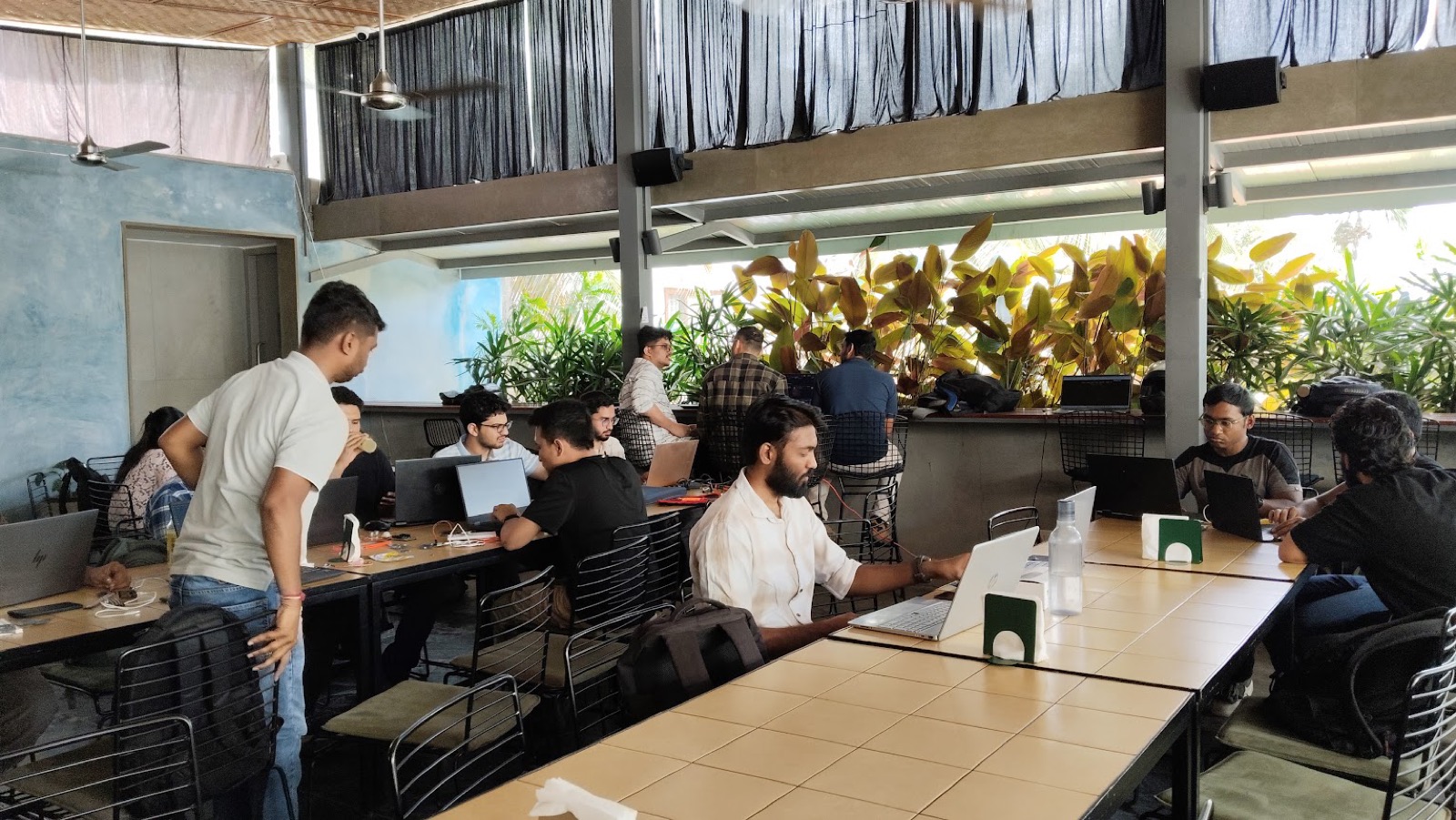
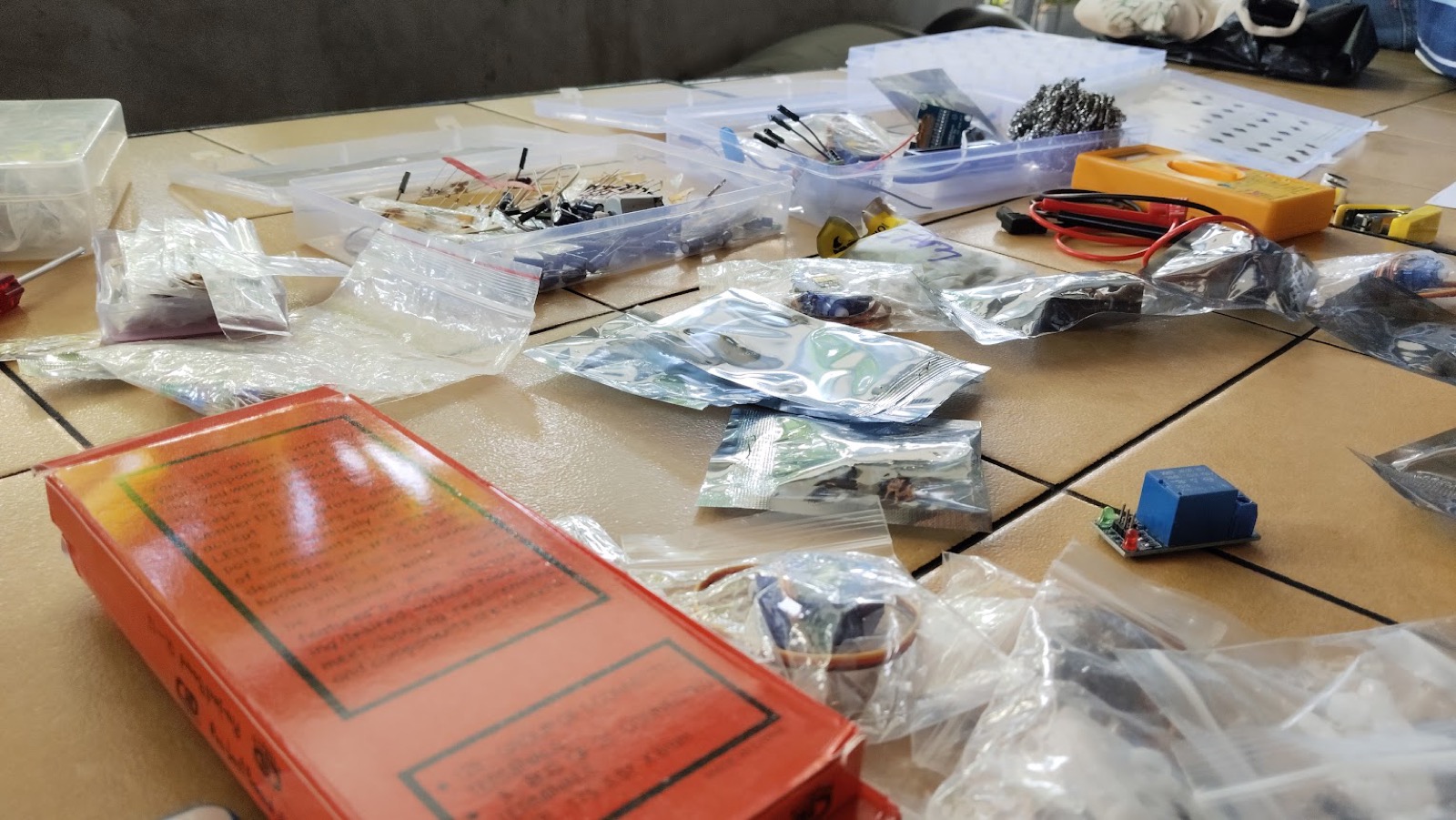
The second event was called "Coding and Kombucha," a five-hour hardware jam with Hydron. Around 85 people registered, of which 24 checked in, 3 projects got built, and the session ran an hour late because nobody wanted to leave. It produced 4 leads at enterprise companies, and five hours of watching engineers use Hydron and give feedback.
Parallel outreach booked 15+ B2B meetings with the Hydron team. And the content engine kept Hydron visible across LinkedIn, Instagram and X — carousels, reels and statics — all in Hydron's witty tone of voice with the central messages intact.
Six months, April – September 2026
Get in the room, then get out of the way
Embedded engineers don't take a tool's word for anything; they have to see it work themselves. What worked was putting Hydron in the same room as the people it was built for, and then getting out of the way.
Selling to an audience that doesn't trust claims?
Some products only earn belief in person. We can build the room, fill it with the right people, and get out of the way.