The CoreVoice team is there before the event starts and leaves after everyone leaves.
VR
When CoreVoice started working with Mindgrove, the company was a small campus startup with its core product (a microchip) still under development. The task was to build an identity and market position strong enough for a small, early-stage team to compete well beyond its size.
There was also a specific perception to shed. Mindgrove risked being seen as an extension of IIT Madras' Shakti Project. It needed an identity of its own: one with credibility that was earned rather than borrowed. Securing the right partners, opening early sales conversations, and attracting talent all depended on resolving this first.
Over the first few months, we built Mindgrove's identity and its foundational assets: website, sales deck, and more.
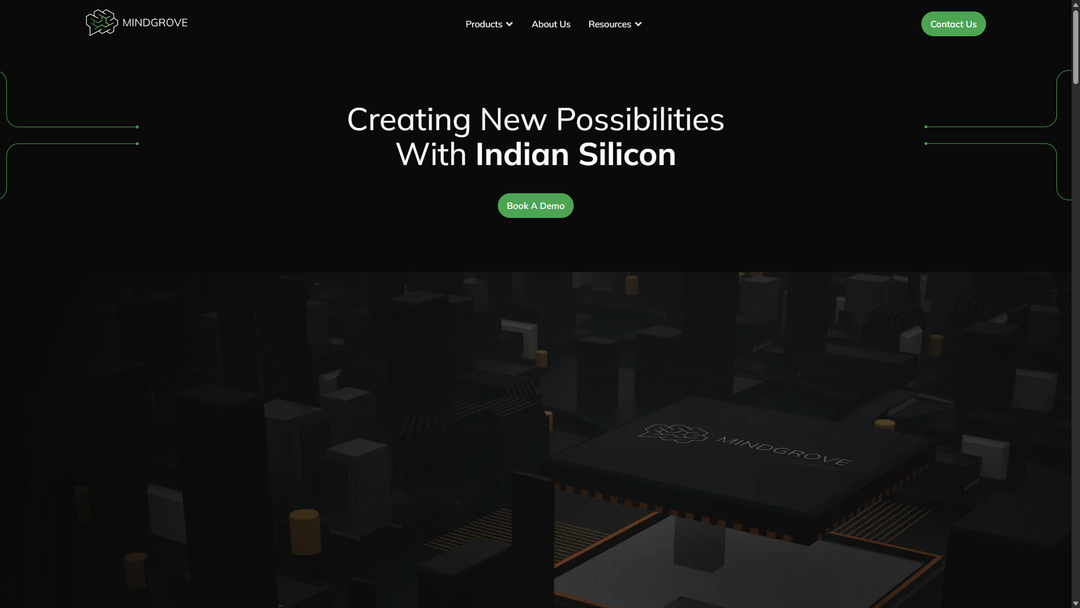
Then, we published content on social media, built an audience and started a conversation. Finally, we brought on a PR firm and shaped the early narratives that would go into the media.
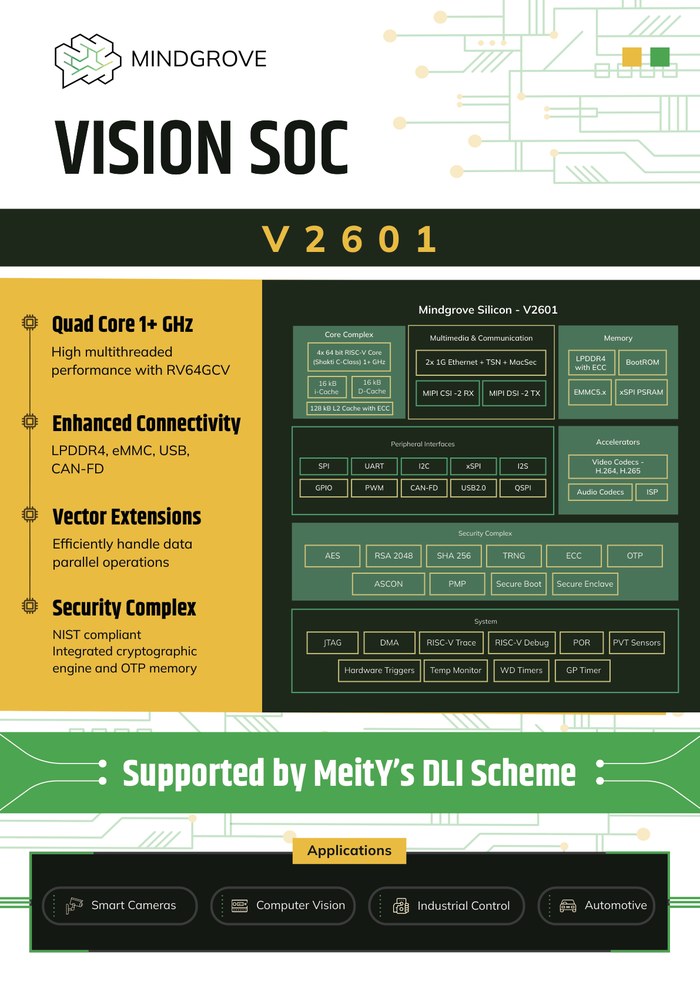
The next question was how to get the market to care about a small startup's first product, and, more specifically, how to build a pipeline in a segment dominated by giants. At this time, the ecosystem gave Mindgrove a 0% chance of success, which is the kind of challenge we love.
We researched customer categories, and worked closely with the founders to shape the pitch for the company's first chip launch. And then we took it to market with them: first through LinkedIn outreach, then in-person meetings, then one-on-one conversations at industry events, and eventually at events (as exhibitors). CoreVoice effectively became Mindgrove's account-based marketing / pre-sales function. At events, it was hard for outsiders to tell who was a Mindgrove employee and who was from CoreVoice.
In parallel, we helped set up Mindgrove's CRM, dashboards, and sales processes, supported the hiring of their first sales team member, and built out the early sales decks and company merchandise.
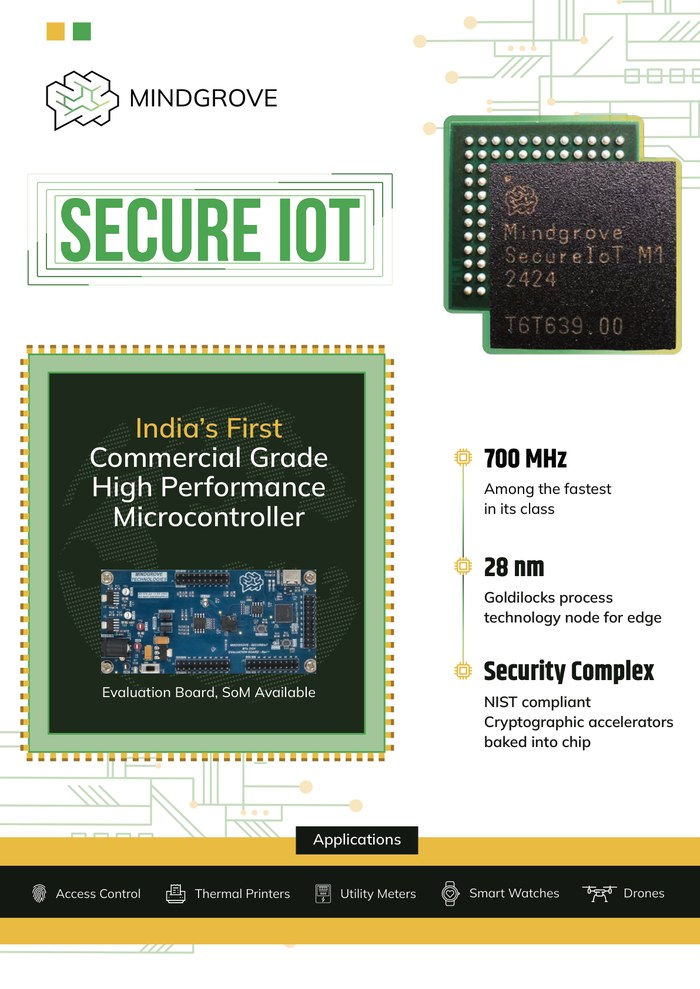
The result was a high-profile national launch: India's first commercial high-performance microcontroller, Mindgrove's Secure IoT, and a pipeline worth millions of chips.
The outreach resonated widely: the "Road to TapeOut" video series was seen across much of the industry, and the "Age of Semiconductors" funding announcement achieved a similar reach.
What CoreVoice brought to this engagement was breadth: a wide range of skills and a willingness to use all of them. We set aside the usual boundaries of what an external marketing team should or shouldn't do, keeping one question in focus throughout: are we moving the needle for Mindgrove?
That question shaped a genuinely 360-degree campaign. A prospect Mindgrove was courting might encounter the company at an industry event, read about it in the press, engage with a social post, and even receive a call from a well-wisher, all as part of the same coordinated effort.
This approach depended on trust: the founders needed to trust CoreVoice, and that trust had to be earned through consistent ownership and follow-through.
The CoreVoice team is there before the event starts and leaves after everyone leaves.
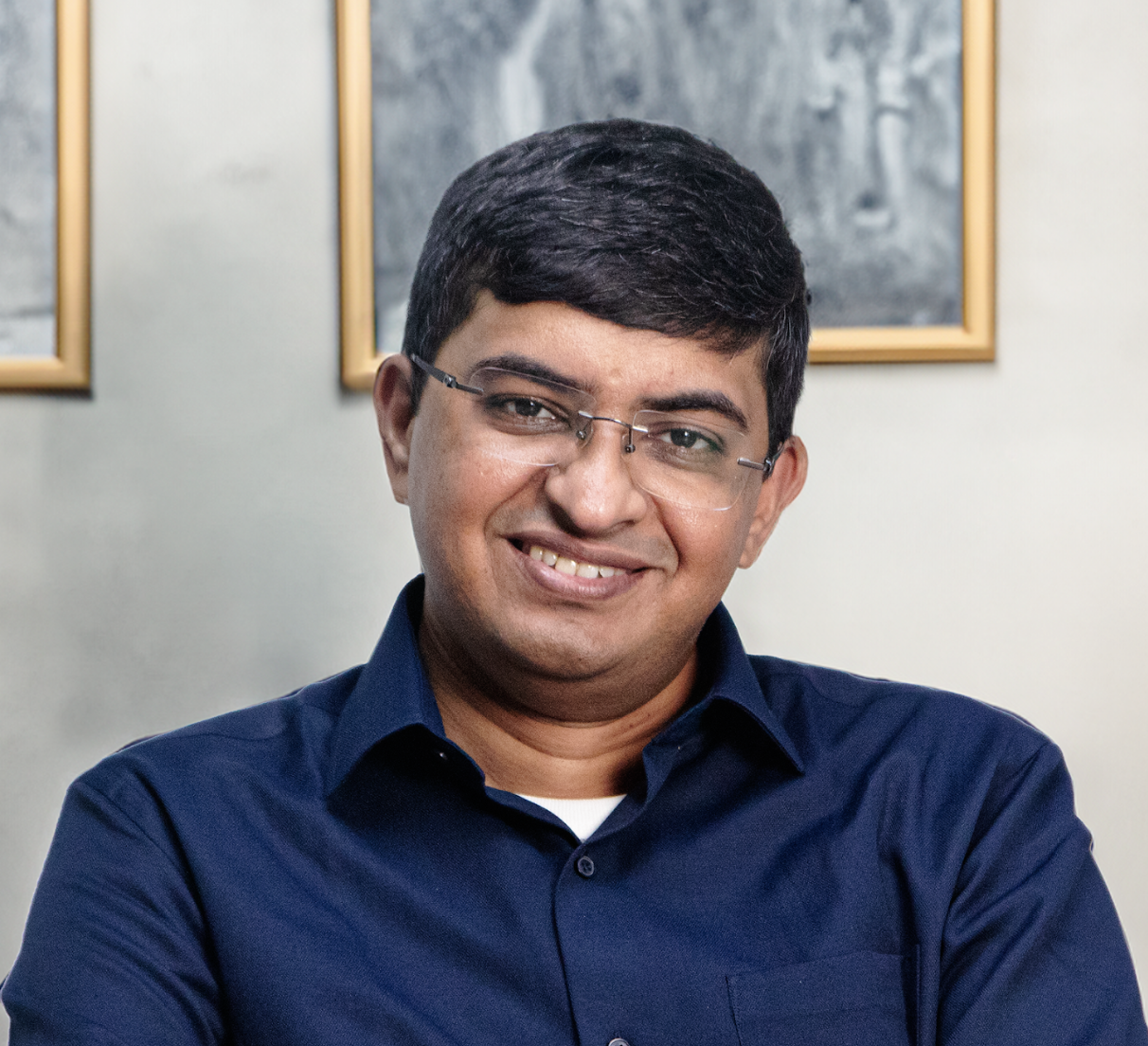
Mindgrove founder and CEO Shashwath credits much of the company's presence and visibility to this partnership, and is clear about what made it work: treat CoreVoice as a strategic partner, not a vendor executing a fixed scope.
Give them space to come up with ideas, give them space to build out the strategy, have a lot of discussions, try to educate them on what you're doing.
Done well, that approach means never having to micromanage the team or carry the entire strategy alone, instead having a genuine partner in the work.
We've helped early-stage teams build the identity and pipeline to compete with much larger players. Let's talk about what that could look like for you.
Mindgrove’s investors include Speciale Invest, Peak XV, Whiteboard Capital, rocketship.vc and Mela Ventures. See who else backs India's deep-tech startups →